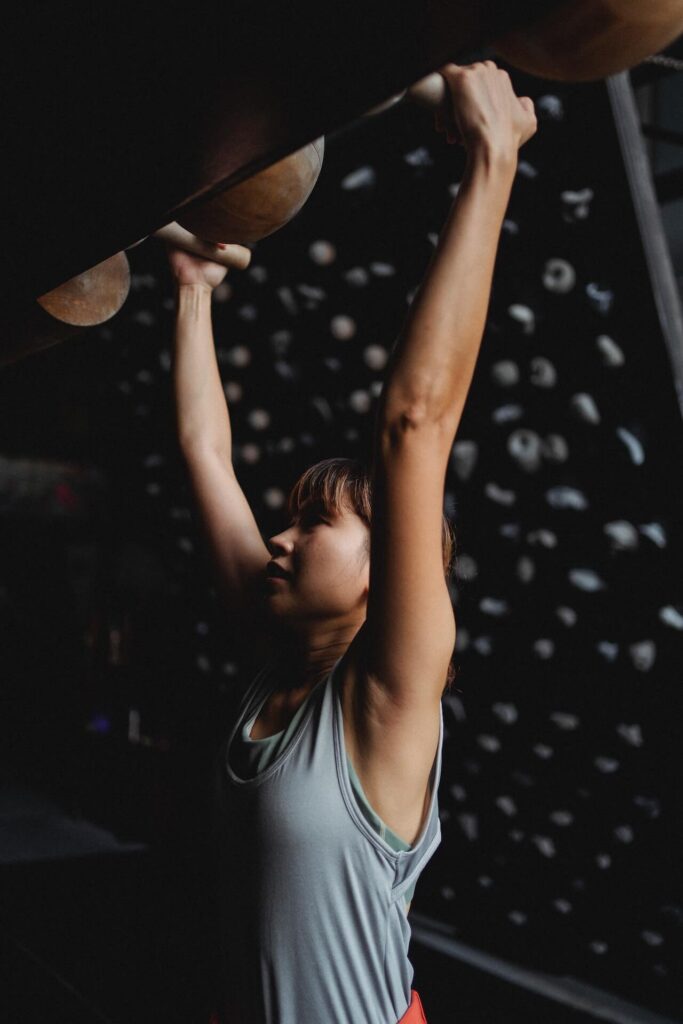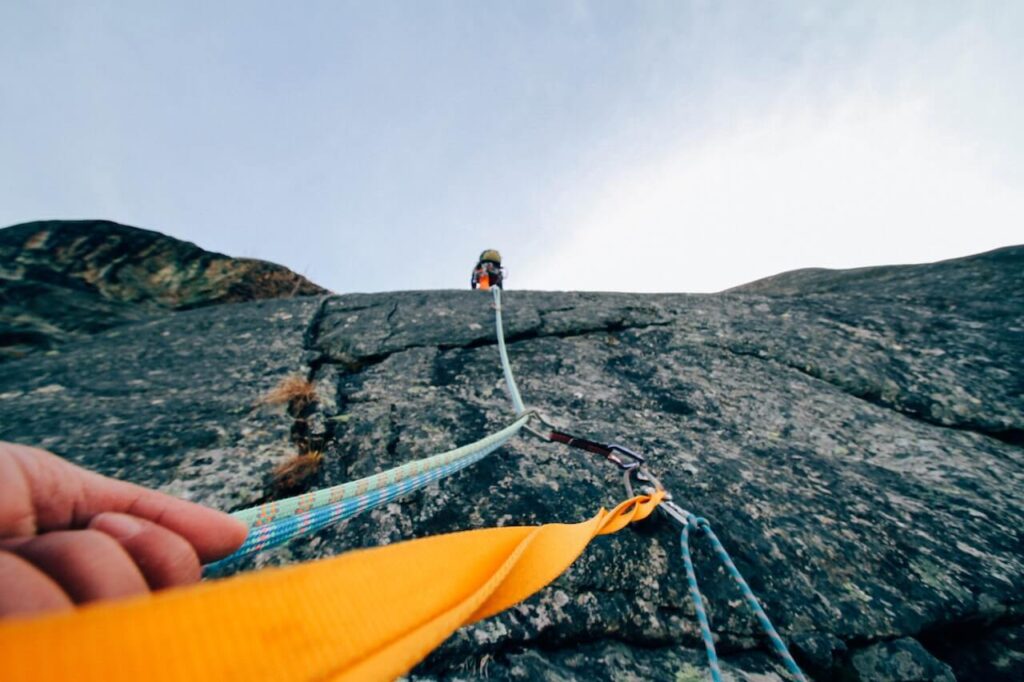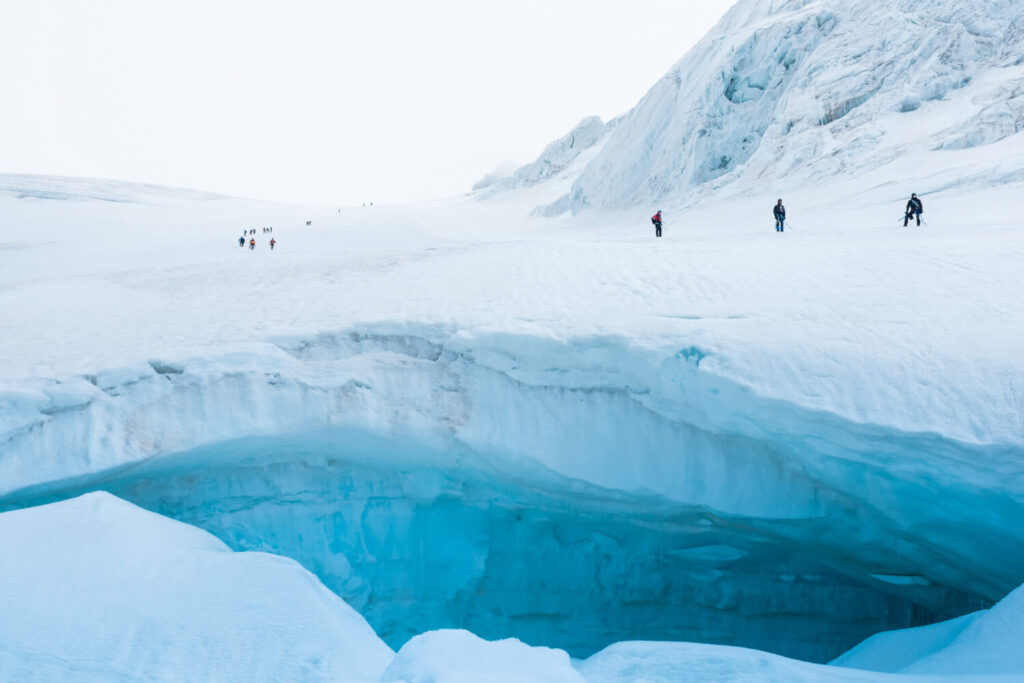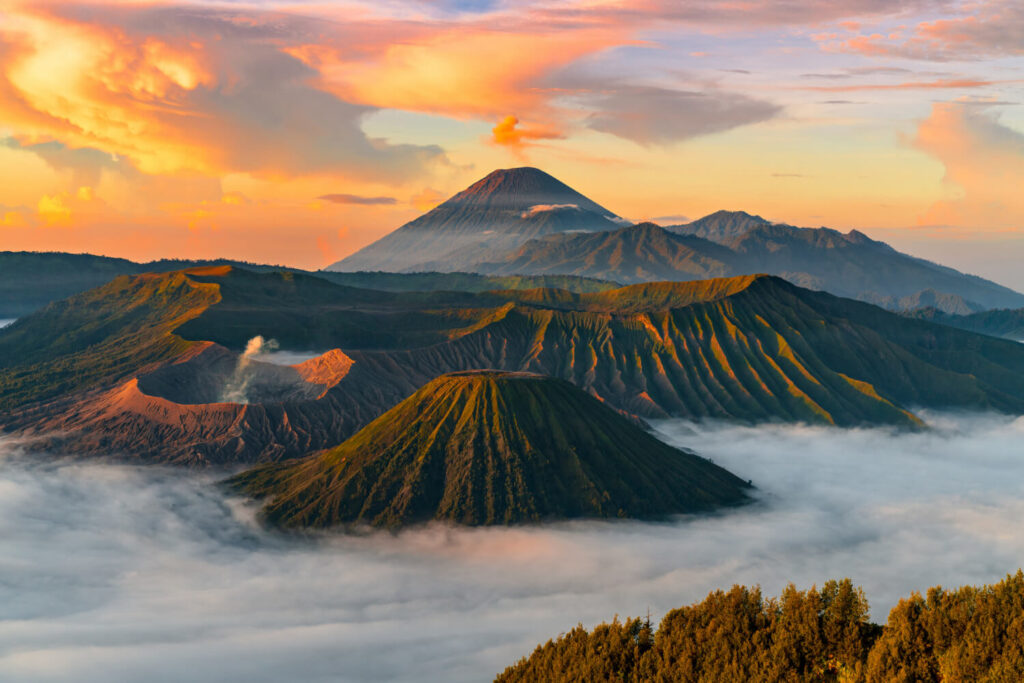
Benefits of mountaineering – This is a great way to get in shape and see the world at the same time. It offers a number of physical and mental health benefits that are hard to find elsewhere. Here are ten reasons why you should consider mountaineering as your next fitness activity.
Altai Tours from Mongolia
Let’s create your ideal Mongolian adventure
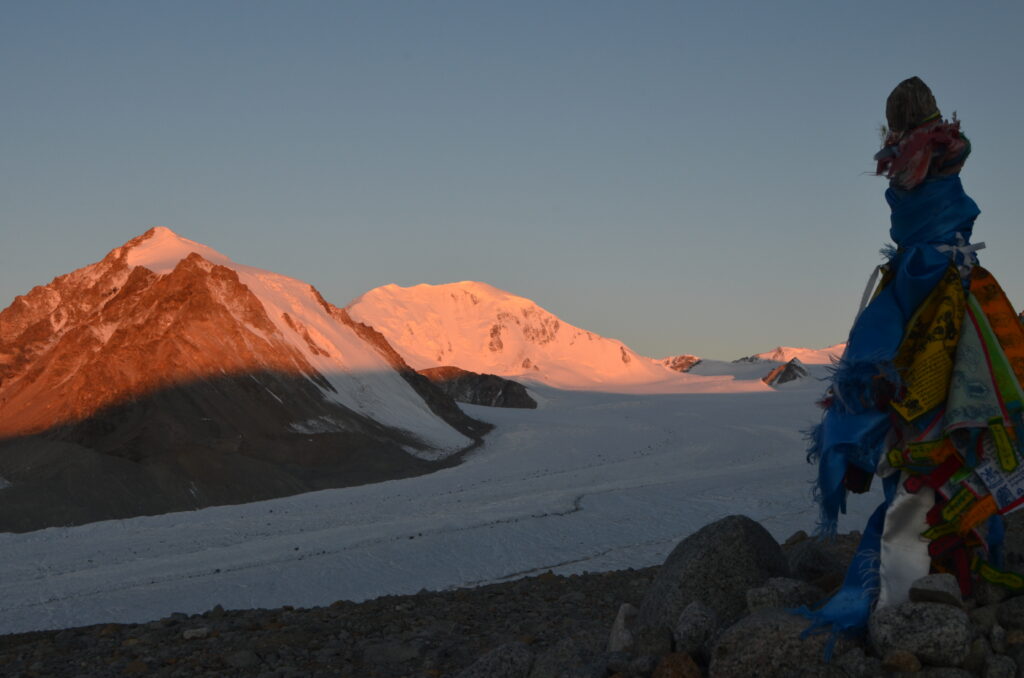
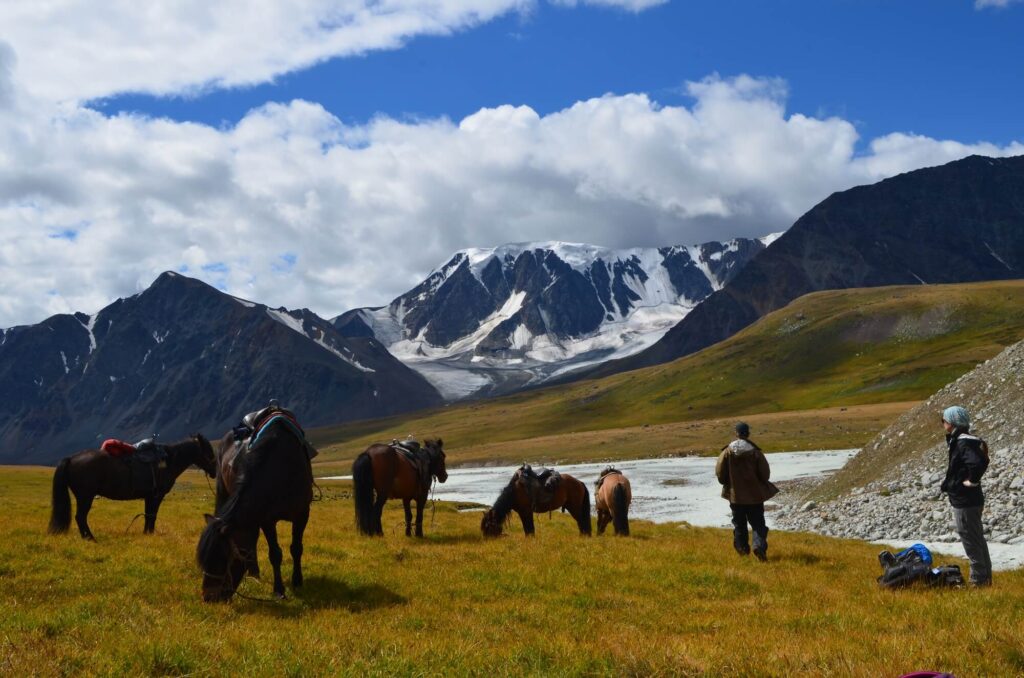
We offer you CLIMB MOUNT KHUITEN MONGOLIA TOUR. Mount Khuiten is the highest peak in Mongolia, which is located in the remote area of the Mongolian Altai region. In addition, Altai Tavan Bogd National Park is truly one of the must-see places in Mongolia as there are stunning snow-capped mountains and an array of beautiful valleys. It will be wonderful 🤩🤩
1.IMPROVED PHYSICAL FITNESS
🏔️ Want to experience this in person? Join our 10-Day Mount Khuiten Climb with local Kazakh guides — small groups, authentic experience, 5.0 stars on TripAdvisor.
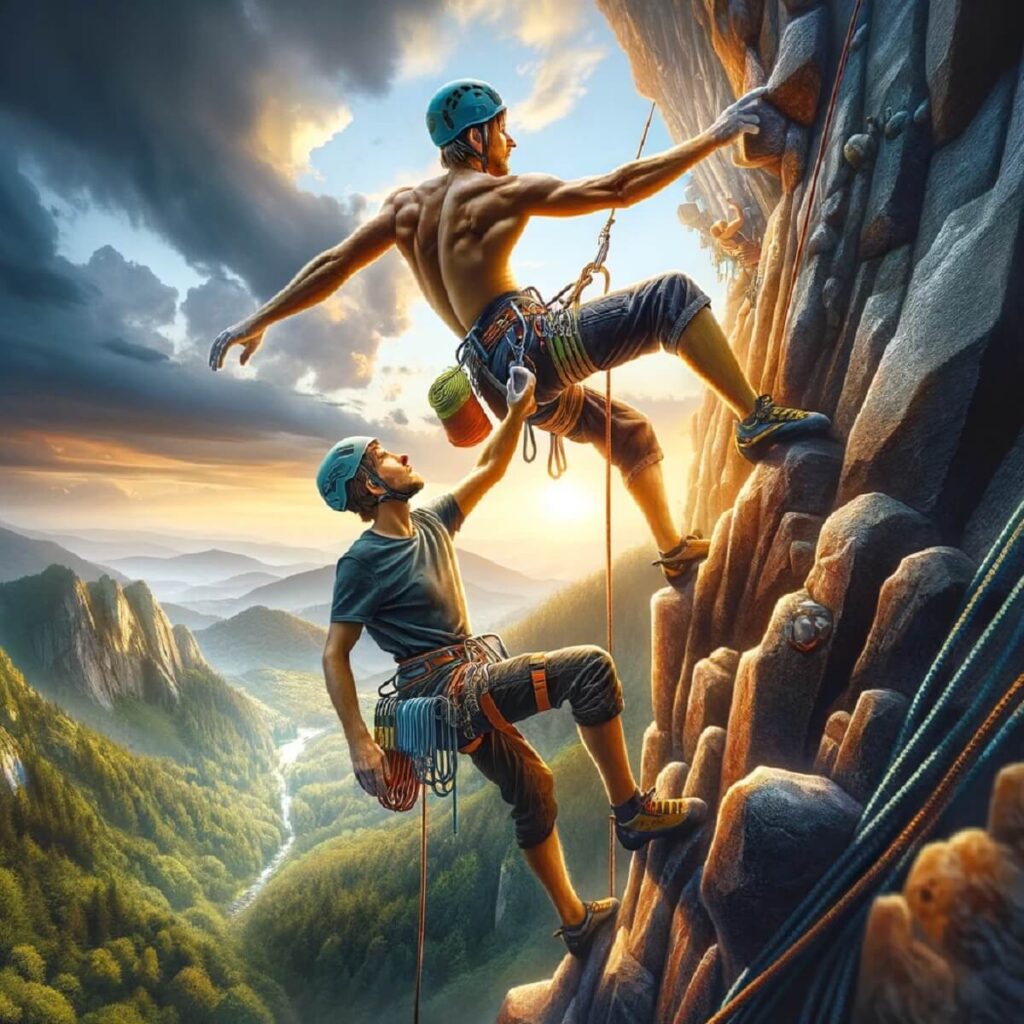
Mountain climbing is a great workout for your whole body. It requires strength, endurance, and coordination. Plus, it’s a lot of fun!
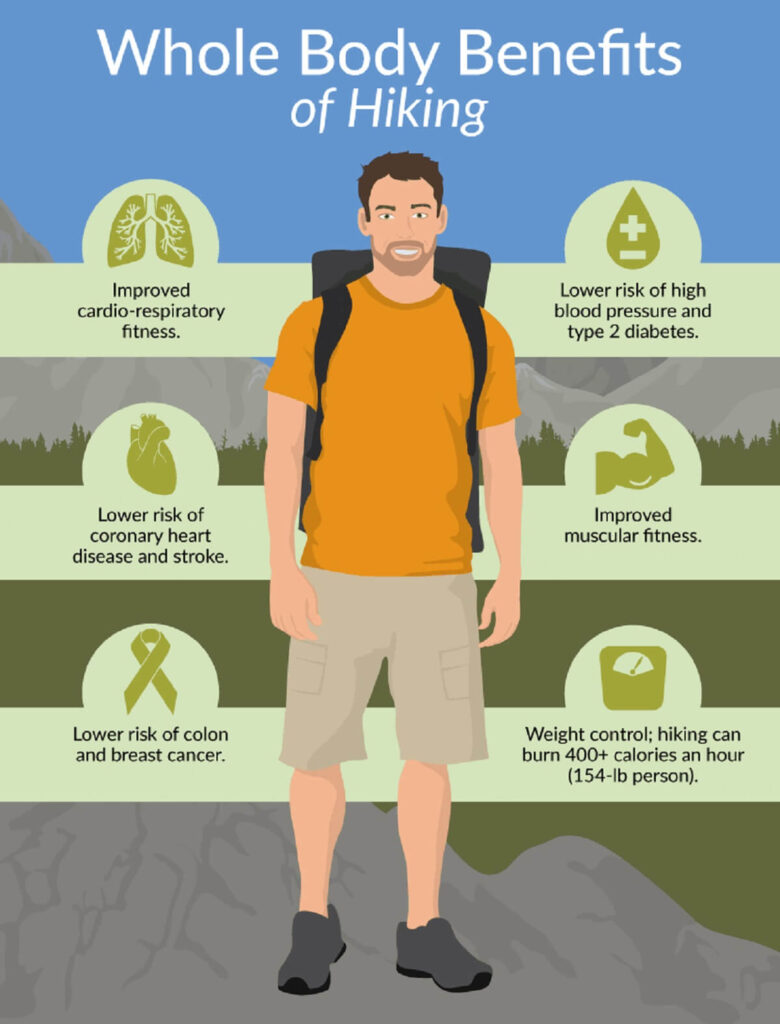
Mountaineering is an excellent aerobic workout. Research suggests that it can help reduce symptoms of chronic diseases like type II diabetes, heart disease, obesity, and cancer.
It also has many benefits for your overall health, including reducing blood pressure and improving the function of your heart, lungs, and circulatory system.
Additionally, regular mountain climbing can tone your muscles, improve endurance levels, and may even lead to better sleep quality thanks to the release of stress-busting endorphins into the body.
2.LEARNING PERSISTENCE
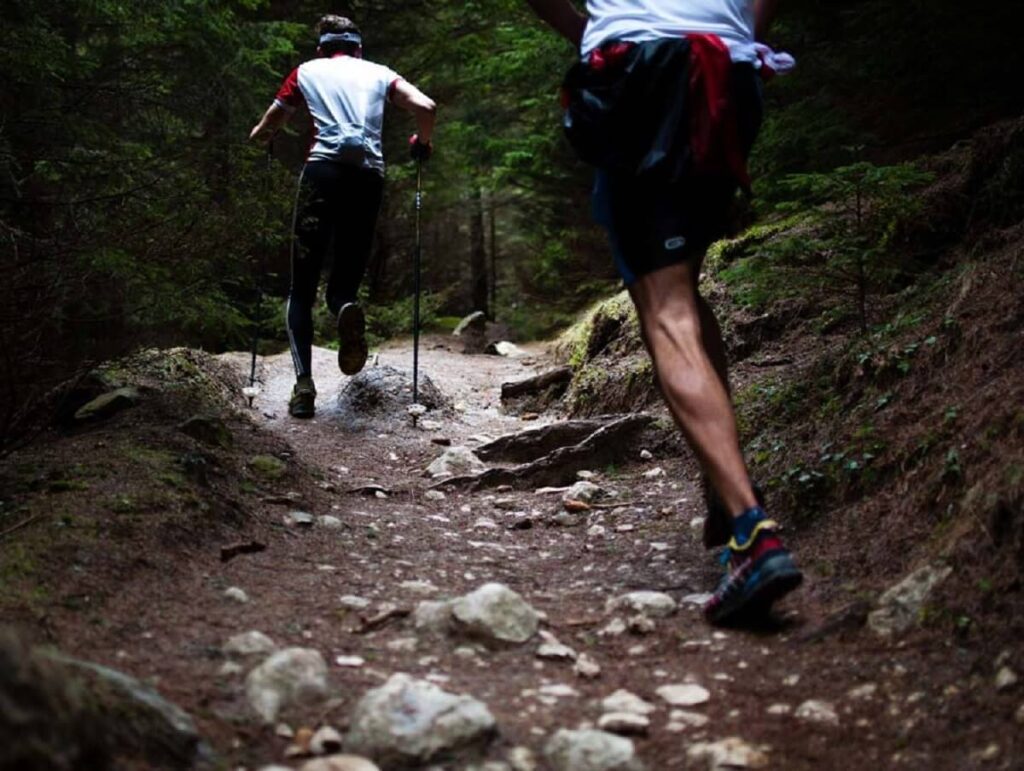
Mountaineering is an excellent way to build willpower. It’s no easy feat scaling mountains day in and day out, but the sense of elation and accomplishment you feel upon summiting each one is addictive.
You’re forced to face difficulties head-on while mountaineering, which tests your strength as well as your resolve – especially when you’ve been climbing for hours on end and just want to give up. That’s when we discover just how strong our wills truly are.
3.ESTABLISH HEALTHY ROUTINES
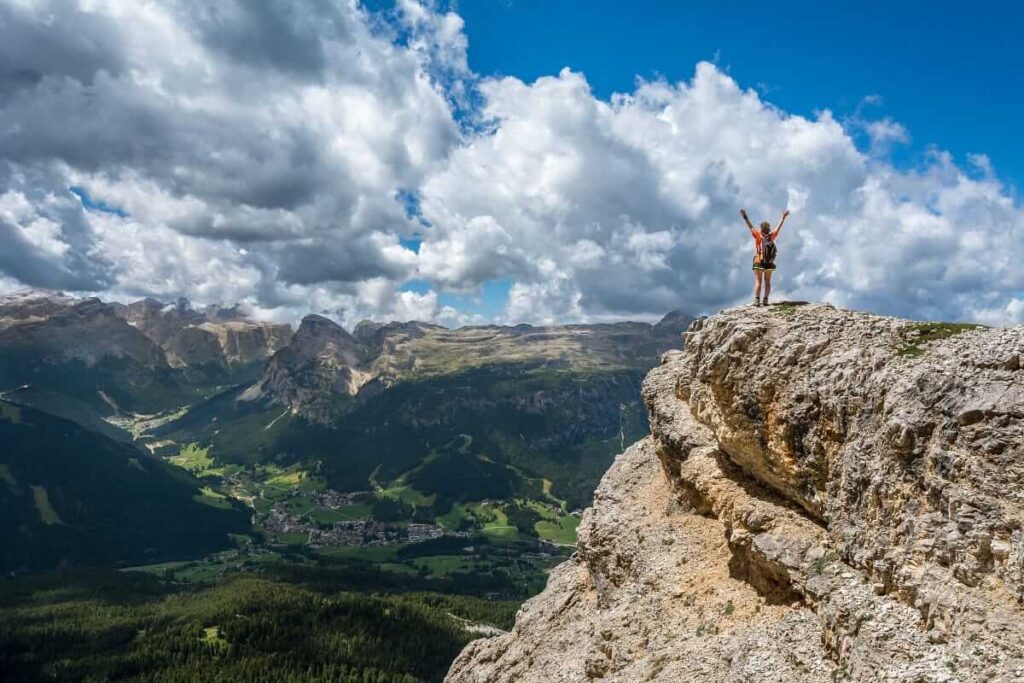
Unless you’re already in top physical condition, most experts recommend that would-be climbers and hikers spend a minimum of three months preparing their bodies for the trip.
This training should involve a combination of flexibility exercises, cardiovascular workouts and strength training to help ensure success and safety while on the expedition.
There is no one-size-fits-all approach to training for a marathon, but many runners find that a combination of running, strength training and yoga works well.
Altai Tours from Mongolia
Let’s create your ideal Mongolian adventure
You will probably find that you settle into some sort of routine as your training progresses. If you can manage to keep up with your fitness routine even after making it to the top of a summit or completing a hike, then staying in shape will be easy for you.
This way, if any other mountaineering or hiking opportunities come your way, you’ll already be prepared.
4. SOCIAL BENEFITS
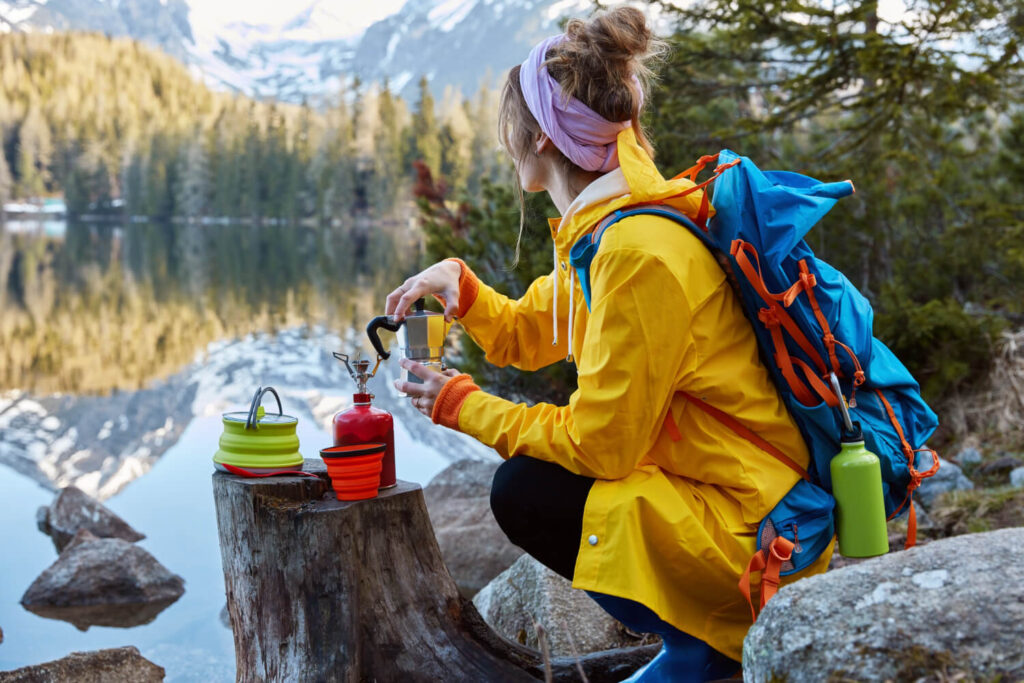
Hikers and climbers are wonderful people to meet. They tend to be positive, outgoing, and extremely welcoming, sharing similar goals of appreciating nature’s beauty by reaching the top of a mountain.
You’re likely to make life-long friends when you spend time together in these gorgeous places. If you’re new to trekking or climbing, finding a hiking partner is easy through alpine clubs, hiking groups, and social media platforms.
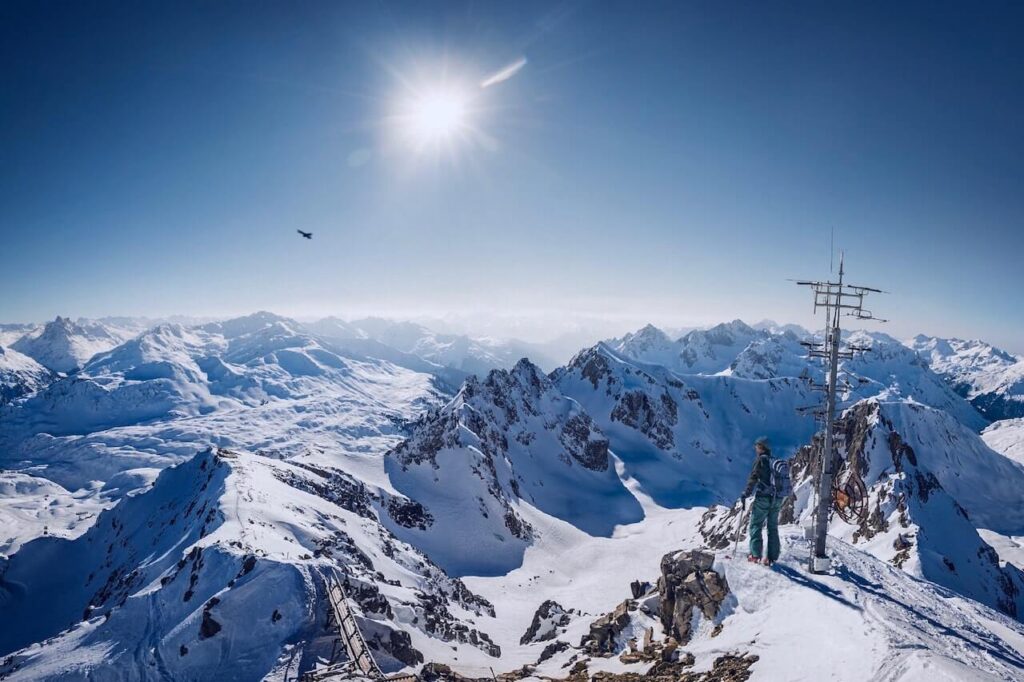
5. THE BREATH TAKING VIEW
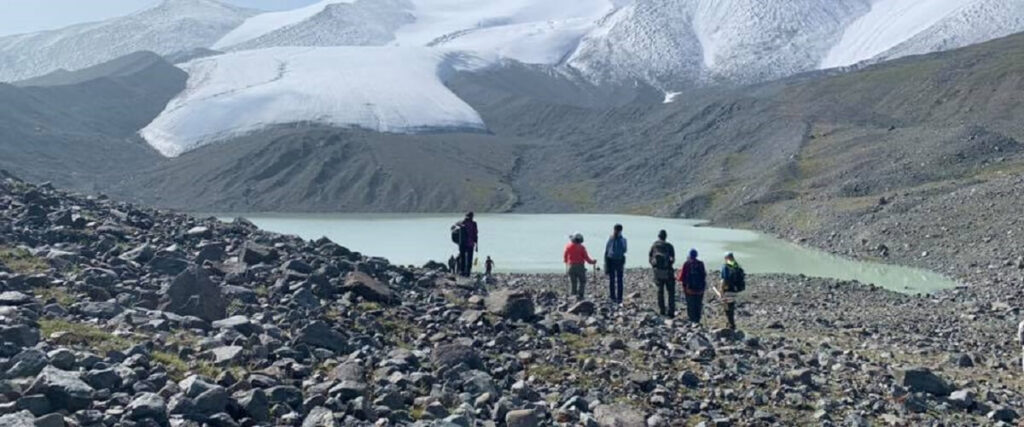
Longing for something is easy, but making it a reality takes time and effort. Likewise, many of us see picturesque views from mountaintops and feel the desire to experience them firsthand – which is entirely possible with some planning!
Altai Tours from Mongolia
Let’s create your ideal Mongolian adventure
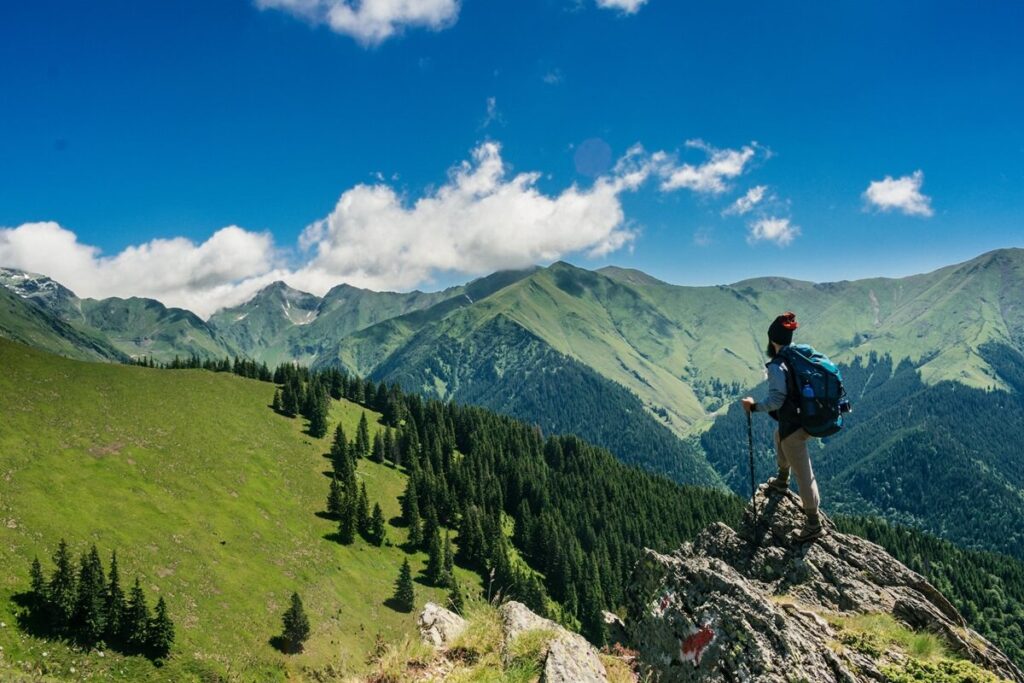
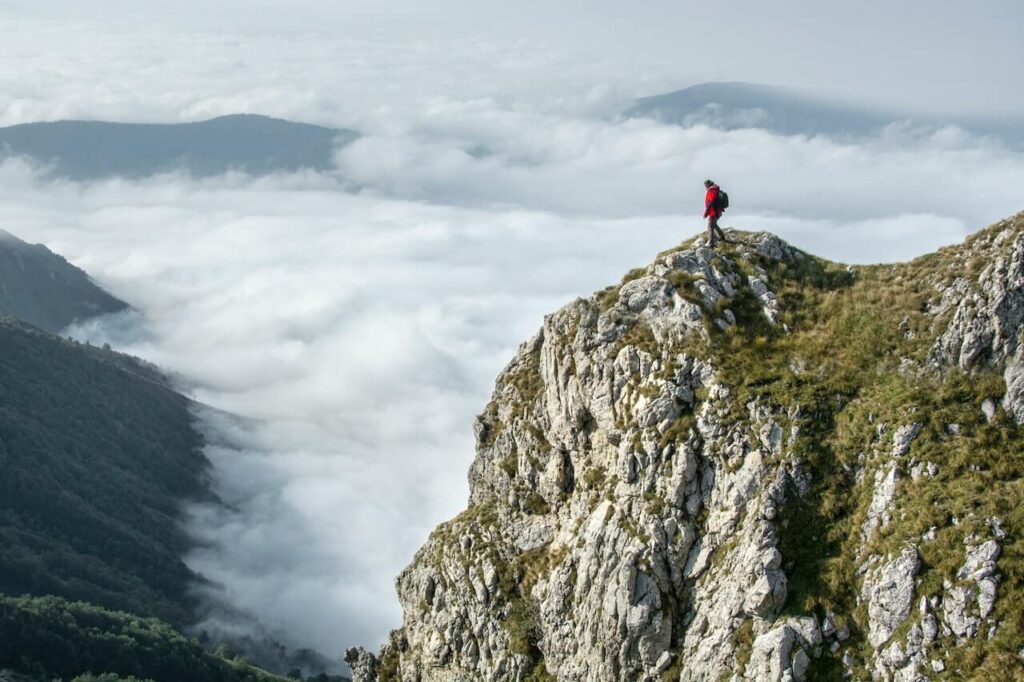
When you do finally make it to the top after carving out time in your schedule, you’re met with an incredible view that few people will ever get to witness. And unless it’s foggy or smokey outside, the panorama is guaranteed to take your breath away.
6.IMPROVE MENTAL HEALTH
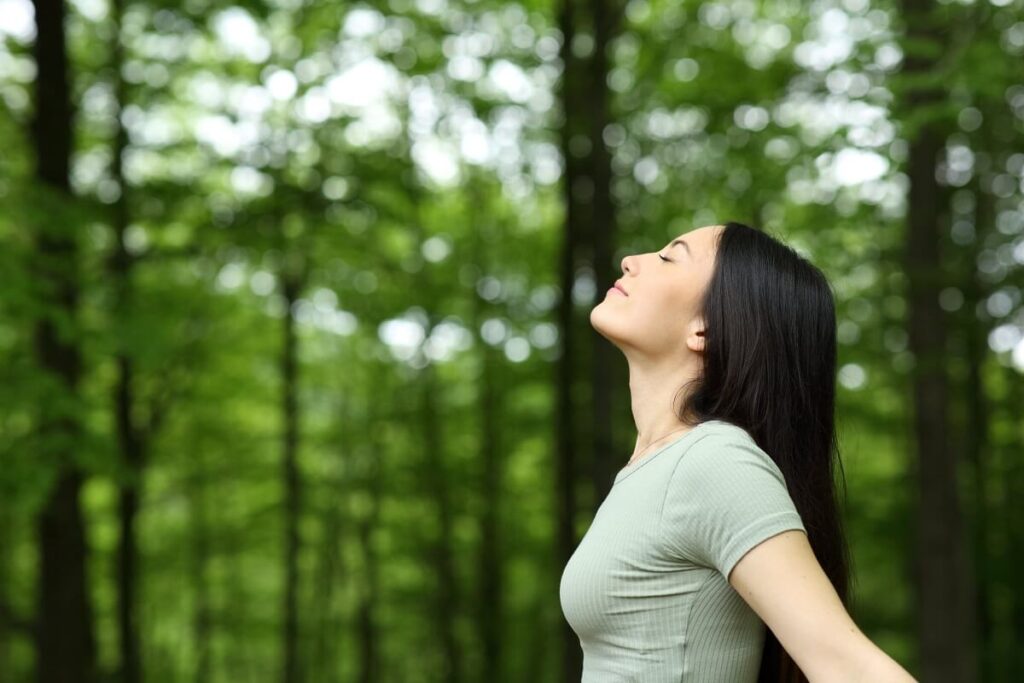
Not only does hiking and mountain climbing improve different parts of your physical health, but it also better Your mental state as well.
Research has displayed that partaking in group outdoor activities marginally decreases pessimistic and repetitive thoughts regarding the self–which are generally linked to anxiety and depression.
Also, working out in nature is a great way to release endorphins; they stimulate receptor cells known for producing happiness in the brain, making you feel good while giving those anxieties some much-needed energy outlet!
Mountain climbing, for one, necessitates that you concentrate on realization of a target with others. By focusing on constructive tasks, such as pulling yourself up a cliff face or cautiously making your way across a glacier to get to the mountain peak, you not only improve self-esteem but also sense of self-worth.
Furthermore, it makes your brain work harder to problem solve which then leads to better mental agility and healthier overall brain function.
7.LOWER YOUR RISK OF HEART DISEASE
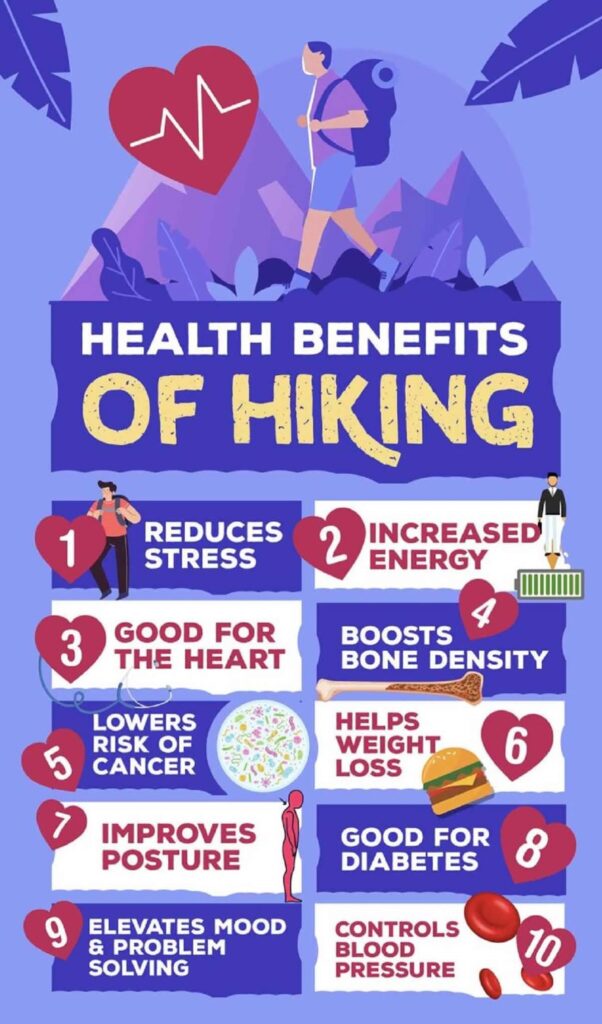
Not only is mountain climbing great for your cardiovascular system, but it also comes with a host of other benefits. It’s challenging and can be stressful at times, which forces your heart to work harder and pump faster.
This delivers oxygen-rich blood throughout your body, helps lower your risk of developing heart disease, and strengthens muscles. In turn, this gives you more energy and improves overall fitness levels.
Altai Tours from Mongolia
Let’s create your ideal Mongolian adventure
The physical act of walking and climbing increases the amount of high-density lipoprotein in your blood, known as good cholesterol. This type of cholesterol helps your body collect bad cholesterol – LDL – and transport it to the liver to be removed.
By increasing your heart rate as you hike or climb, the two sports simultaneously help to lower your triglyceride levels; when their levels become too high, they can contribute to the buildup of plaque in arteries.
8. REALIZING THE SIMPLE PLEASURES IN LIFE
So often, we overlook the small things that we normally take for granted–like access to clean water. When you finally reach the peak but realize you forgot to bring an extra coat, you’ll understand how quickly the temperature can drop and how much we rely on everyday comforts that we usually take for granted–like sleeping indoors on a soft mattress instead of outside on hard ground in frigid weather conditions.

Experiences like these teach us important lessons about being more prepared and respecting the simple pleasures in life.
As you spend more time in the mountains, you’ll start to develop a sense of pride and ownership for them. You might also find yourself become more grateful for the conservation efforts we have in place.
More often than not, people are drawn to the beauty of these areas– it’s our responsibility to make sure that we’re respectful and take care of them so future generations can enjoy them as well.
FAQ
What are the 8 benefits of mountaineering?
Mountaineering improves both physical and mental well-being. It strengthens your body, refreshes your mind, and nourishes your spirit. It helps burn calories, manage weight, reduce stress, improve heart health, and build strong muscles while connecting you with nature.
What are the major benefits of mountaineering?
Mountaineering boosts endurance, builds mental strength, and increases self-confidence. Spending time in the mountains helps reduce stress, sharpen focus, and improve decision-making skills.
What are the 5 essential tools in mountaineering?
Every modern mountaineer should carry:
A map
An altimeter
A compass
A GPS device
A Personal Locator Beacon (PLB) or emergency communication device
What are the three golden rules of mountaineering?
The mountain is always higher than it appears.
The distance is always longer than it looks.
The climb is always harder than expected.
What is mountain climbing good for?
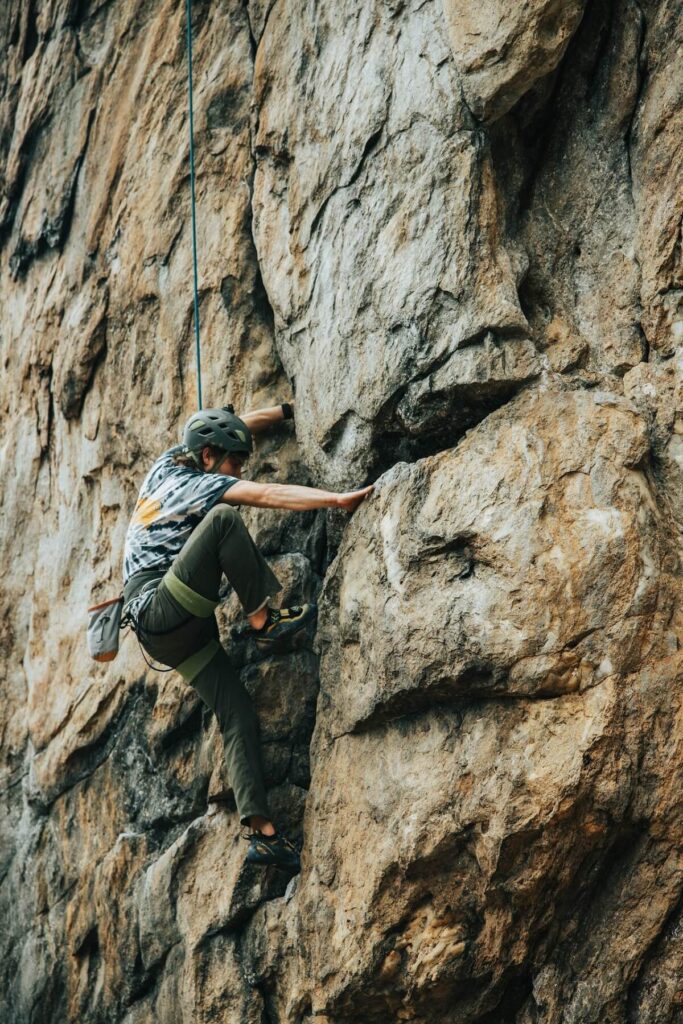
Climbing increases muscle strength, stamina, and endurance. Reaching and stretching improve flexibility and coordination, while hiking to climbing areas provides excellent cardiovascular exercise.
What are 5 health benefits of physical activity?
Helps control and maintain healthy weight
Reduces the risk of chronic diseases
Improves mood and mental health
Increases energy levels
Promotes better and deeper sleep
What are the benefits of mountains?
Mountains act as the planet’s “water towers,” supplying about 60–80% of the world’s freshwater. Nearly half of the global population depends on mountain ecosystems for water, food, and clean energy.
What are the benefits of a Basic Mountaineering Course?
A basic course teaches essential skills and knowledge needed for safe climbing. It builds a strong foundation for future adventures and provides practical experience in real mountain environments.
Is hiking good for your heart?
Yes. Hiking improves cardiovascular fitness, especially on uphill routes where the heart works harder, similar to brisk walking or aerobic training.
What are the Mountaineers’ Ten Essentials?
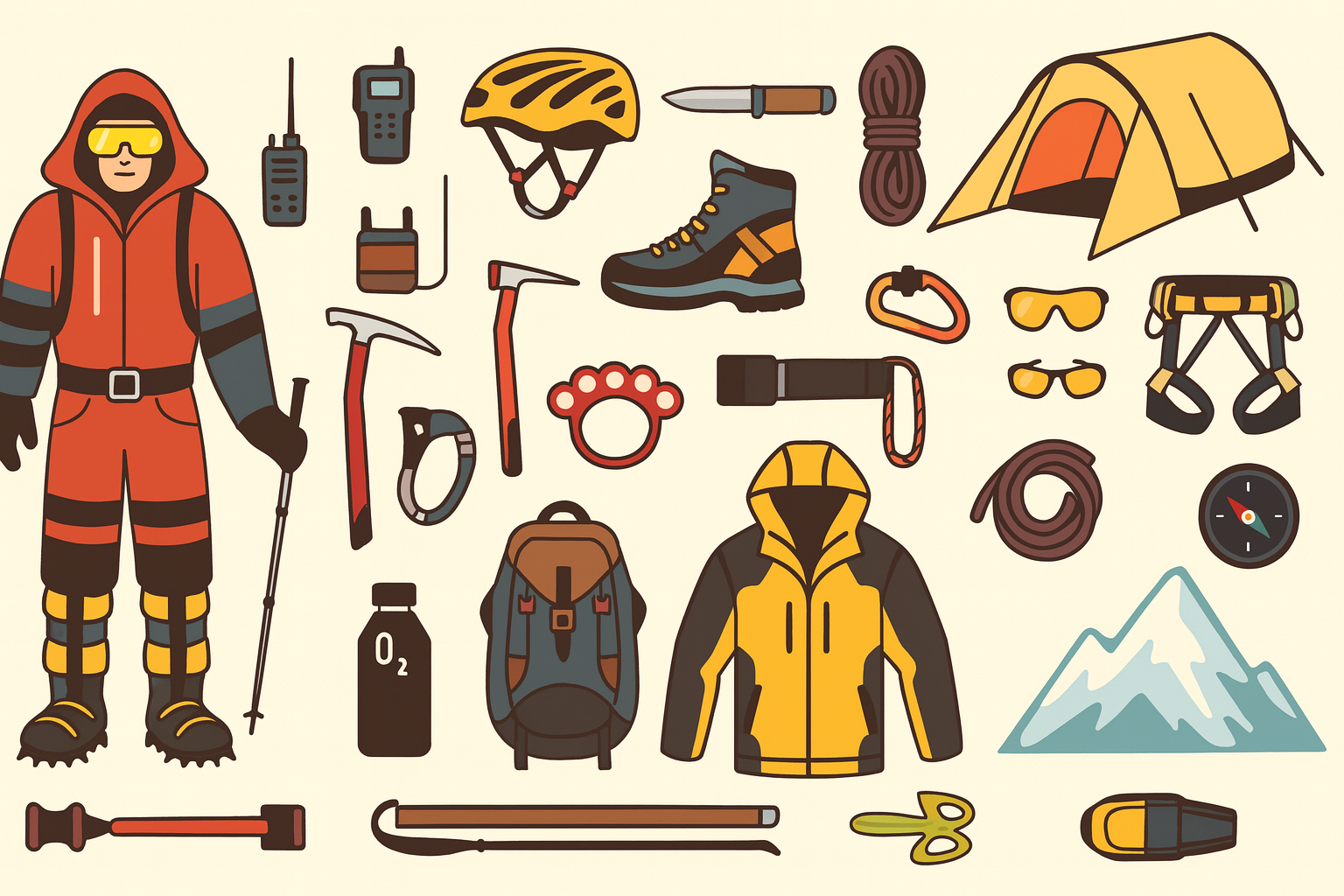
The Ten Essentials prepare you for unexpected situations in the outdoors:
Navigation tools
Headlamp
Sun protection
First-aid kit
Knife or multi-tool
Fire-starting equipment
Emergency shelter
Extra food
Extra water
Extra clothing
Is mountaineering safe for beginners, or do you need to be very fit?
Mountaineering is accessible to various fitness levels when approached progressively. Beginners should start with hillwalking or trekking on well-maintained trails before advancing to technical climbing. Organizations like the British Mountaineering Council recommend introductory courses that teach essential safety skills, navigation, and gradual physical conditioning. While baseline cardiovascular fitness helps, mountaineering itself builds the strength and endurance needed for more challenging ascents. The key is choosing appropriate difficulty levels and, for technical routes, working with experienced guides or instructors. In Mongolia’s Altai region, tour operators offer programs ranging from gentle valley treks to challenging peak ascents, allowing participants to select experiences matching their current abilities. With proper preparation, guidance, and respect for personal limits, mountaineering can safely accommodate newcomers while providing pathways for skill development. —
How does mountaineering compare to gym exercise for mental health benefits?
Mountaineering offers distinct mental health advantages beyond traditional gym workouts due to nature exposure, environmental variety, and problem-solving engagement. Research shows that outdoor exercise in natural settings reduces stress hormones more effectively than indoor exercise, with participants reporting greater mood improvement and life satisfaction. The problem-solving aspect of route finding and adapting to changing conditions engages cognitive function in ways repetitive gym exercises cannot. Additionally, the immersive focus required during climbing creates a meditative state that helps manage anxiety and depression. The sense of achievement from reaching a summit provides tangible accomplishment that gym progress may not deliver as immediately. However, gym exercise offers consistency, weather independence, and controlled progression. Ideally, mountaineering complements rather than replaces other forms of exercise, providing unique psychological benefits that enhance overall mental wellness. —
What specific muscle groups does mountaineering develop that other sports don’t target?
Mountaineering provides comprehensive muscle engagement that few single sports match. Climbing specifically develops finger, forearm, and grip strength through holding and pulling on rock or ice. These muscles are rarely targeted in traditional sports or gym routines. The constant reaching and dynamic stretching improve shoulder stability and rotator cuff strength while enhancing overall flexibility. Core muscles receive intense engagement during climbing and uneven terrain navigation, as they constantly stabilize your body through irregular movements. Leg muscles work differently than in running or cycling, as mountaineering requires explosive power for steep sections combined with endurance for sustained uphill walking. The combination of upper body pulling, lower body pushing, and core stabilization in three-dimensional movement patterns creates balanced functional strength. This full-body integration explains why mountaineers often maintain well-rounded fitness that translates effectively to other physical activities. —
Can mountaineering help prevent specific diseases, or is it just generally healthy?
Clinical evidence demonstrates that regular hillwalking and mountaineering provide specific disease prevention benefits beyond general fitness. Research shows reduced risk of type 2 diabetes through improved insulin sensitivity from sustained cardiovascular activity. Heart disease risk decreases due to improved cardiovascular function, lower blood pressure, and better cholesterol profiles from regular mountain walking. Studies also indicate reduced stroke risk and some cancer prevention benefits, particularly for colon and breast cancers, associated with regular physical activity in natural environments. For individuals with asthma, controlled exercise at altitude can improve lung function and condition management. The weight-bearing nature of mountaineering also supports bone density, reducing osteoporosis risk. However, individuals with existing health conditions should consult healthcare providers before beginning mountaineering, as altitude and exertion present specific considerations requiring medical guidance. —
How much time in the mountains is needed to see real mental health improvements?
Research on nature exposure and mental health suggests that benefits begin accumulating with relatively modest time investments. Studies show measurable stress reduction and mood improvement from nature walks as short as 20-30 minutes. However, more substantial mental health benefits, including reduced anxiety and depression symptoms, typically require regular weekly engagement. The UK’s Sport England Active Lives report documented that over 3.58 million people now participate regularly in hill and mountain walking post-pandemic, with many reporting significant mental health improvements. Mental health professionals increasingly prescribe outdoor activity as supporting treatment for various conditions, suggesting clinical recognition of therapeutic value. For sustained benefits, aim for weekly mountain exposure when possible, supplemented by shorter nature walks between major mountaineering trips. Even annual mountaineering expeditions to destinations like Mongolia’s Altai Mountains can provide lasting psychological benefits, including improved stress management and renewed perspective that persists for months after returning. —
SUGGESTED TOURS:
Suggested Tours:
MONGOLIAN NOMAD MIGRATION TOUR
Unleash your adventure spirit, explore Mongolia on your own terms Mongolian Nomad Migration tour ⭐⭐⭐⭐⭐ 5.0 · 63 reviews on…Mongolian Nomadic Life Tour – Discover the Spirit of Mongolia
Unleash your adventure spirit, explore Mongolia on your own terms MONGOLIA NOMADS MIGRATION TOUR MONGOLIA NOMADS MIGRATION TOUR 10 DAYS…Mongolia Self-Drive Tour
Unleash your adventure spirit, explore Mongolia on your own terms Mongolia Self-Drive Tour Mongolia self-drive adventure: Top highlights: Real Guest…

Related Blogs:
Mountain Rescue in Mongolia: How It Works, Emergency Contacts, and Why You Need Insurance
Mountain rescue in Mongolia is limited and self-organised. There is no national equivalent of the Swiss Air-Glaciers, French PGHM, or…Khüiten Peak Climbing Season: Best Months, Weather Windows, and Why Most Climbs Happen in July–August
The Khüiten Peak climbing season runs from late June to mid-September, with July and August as the prime climbing months…Mountain Climbing Risks: Exploring the Challenges and Safety Measures
Mountain Climbing Risks: Exploring the Challenges and Safety Measures – Mountain climbing is an exhilarating and adventurous activity that has…